Plan to supercharge growth in 2027. Book a free strategy call today
Select Page
Watching Natural Selection Has Triggered Me

Watching Natural Selection Has Triggered Me

This event flicks a switch that makes me want to take an adventure.

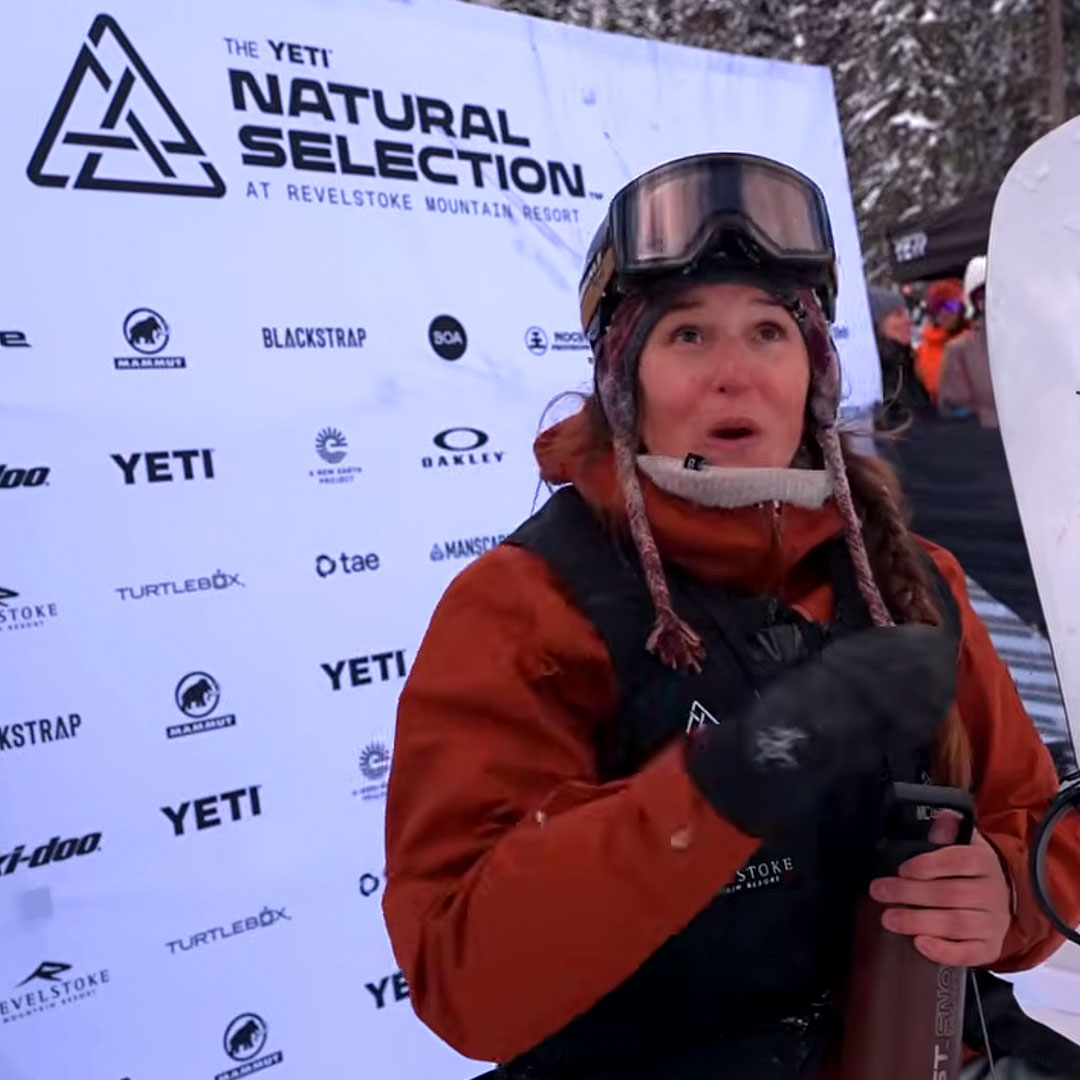
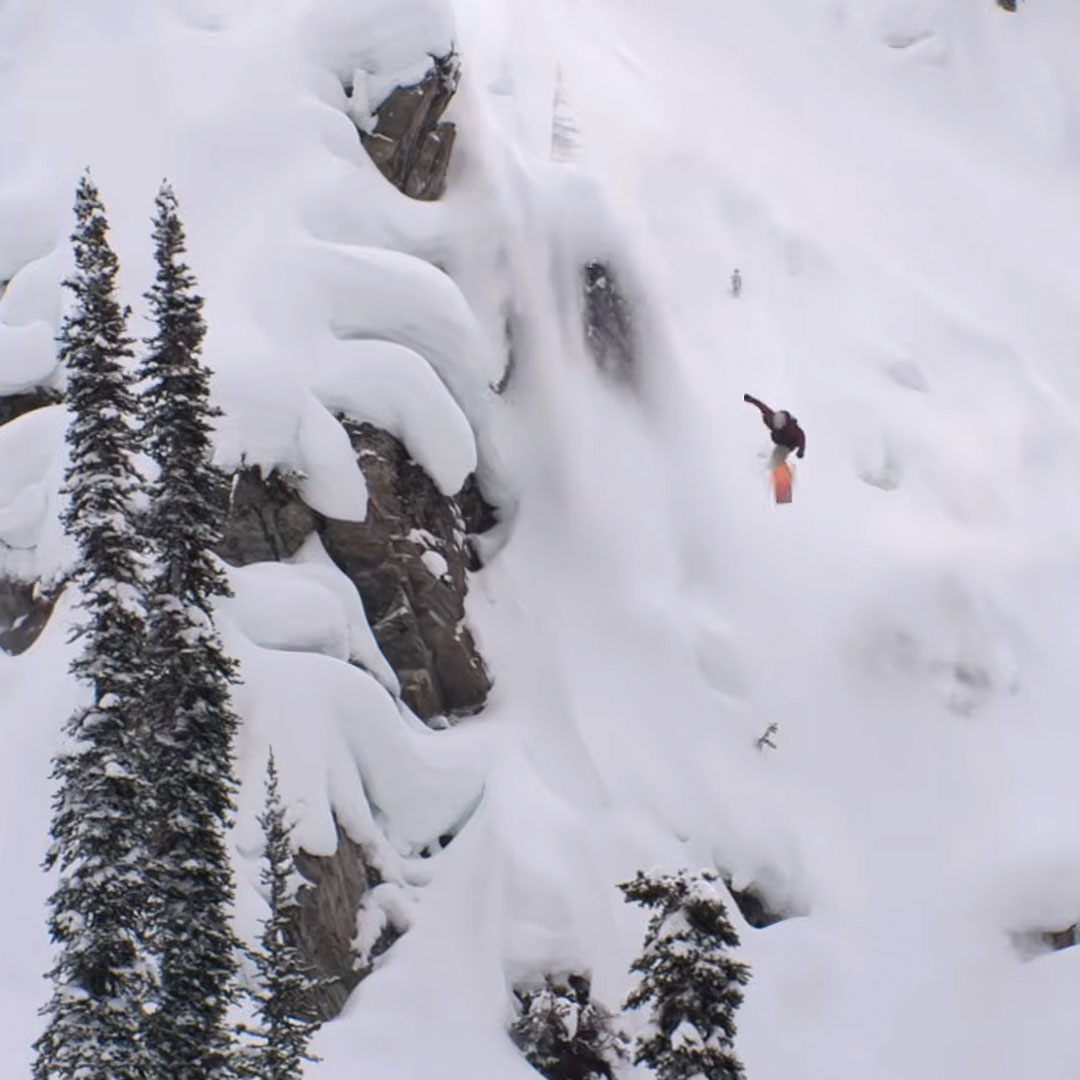
The event blows my mind for several reasons. First, obviously, the riding. Watching athletes choose lines down enormous natural terrain and push the limits of what is possible on a snowboard is incredible. But it’s not just the riding that makes the event compelling. The way it’s presented, particularly the drone footage, offers a unique perspective on decision making. You can actually see the terrain unfolding beneath the rider in real time, which makes the viewing experience dynamic and immersive. The CREDO judging format rewards creativity and that’s the essence of snowboarding in my eyes.

But for me, something else happens while watching. I start looking beyond the athletes.
COG-Marketing-Agency-Sydney-natural-selection_2

The Landscape Becomes the Star

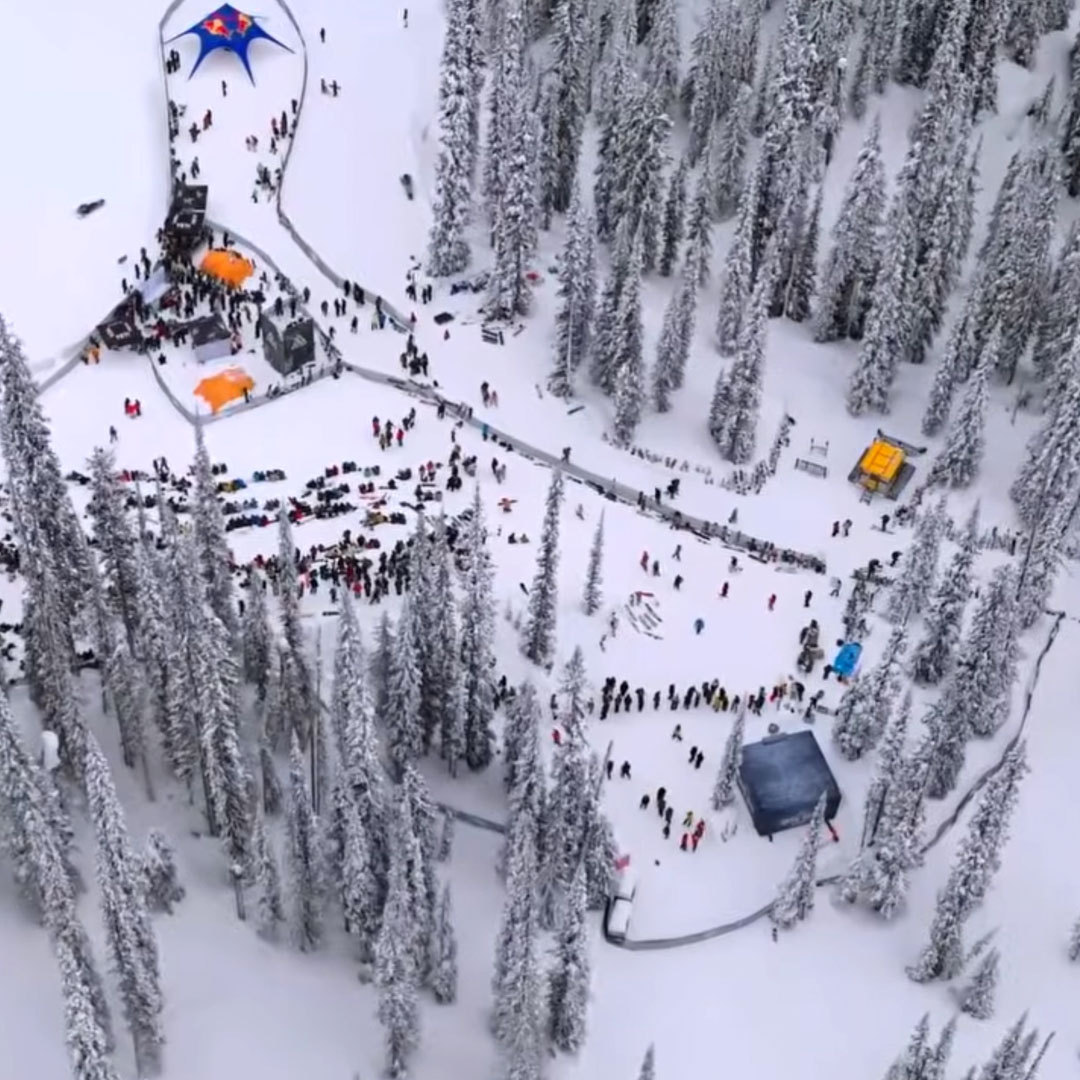
The event location is as captivating as the riding itself. The Natural Selection events held around Revelstoke showcase one of the most dramatic mountain landscapes in the world. The surrounding ranges of the Rocky Mountains stretch endlessly, creating terrain that looks both intimidating and inviting at the same time.

From the perspective of someone sitting in Sydney, Australia after a belting hot summer, this environment feels almost mythical. We’re a long way from big mountain snowboarding down here. Perhaps you always want what you don’t have, and if that’s true, then British Columbia certainly delivers.

Watching the event simply makes me want to go snowboarding.

Not in the same way the athletes are riding, of course. Launching my ageing carcass into a backflip off a cliff is not in the repertoire. But the terrain surrounding Revelstoke looks extraordinary. It feels like the kind of place where simply being there would be enough.

Having gone through there in my twenties there’s some nostalgic rearview mirror stuff going on too.

Age Shapes the Dream

Getting long in the tooth changes how you interpret events like this. If you’re twenty years old watching Natural Selection, you’re probably thinking: Get me into that terrain. To do this you might want to find a job working on the hill, maybe loading Stoke chairs or bussing tables at night, just to ride as much as possible. You’re willing to sleep in a van, stay out until the bar closes, post up in the local library, and chase snow every day.

At fifty, the thinking is slightly different.

You’re still inspired by the terrain, but your approach is more considered. You start wondering whether you could justify a trip that includes a few days riding the resort, maybe even a day with Selkirk Tangiers Heli Skiing to experience the deeper backcountry. Perhaps while you’re there you’d explore a few other places nearby such as the surrounding Kicking Horse or Boulder resorts, the mountain towns, the wider landscape. In both cases, the event sparks the same desire.

You want to go.

When Spectacle Meets Tourism

Events like Natural Selection are often the gateway to actually pulling the trigger on a trip. The event itself is a perfect showcase. The weather window is selected carefully. The riders are the best in the world. The cinematography is flawless. Everything is tuned to perfection. It’s essentially a trophy case for the sport and the location.

The sponsors surrounding the event reflect this perfectly. Brands like YETI, Arc’teryx, Red Bull and Oakley sit alongside tourism organisations like Tourism Revelstoke and partners such as Revelstoke Mountain Resort.
The event showcases people, culture, locations, equipment and atmosphere.

It makes you think: I want some of that.

Yet once the broadcast ends, there’s an interesting gap.

Inspiration Doesn’t Easily Become Action

None of the sponsors actually help me get there. No one helps me translate the inspiration of the event into a real trip.

From my desk in Sydney, planning a journey to a place like Revelstoke is not straightforward. Flights, weather windows, accommodation, car rentals, lift tickets and guiding options all have to be pieced together individually.
And if you’re trying to plan around snow conditions, which are everything in boardriding sports like snowboarding or surfing, it becomes even more complicated. This is where an interesting opportunity appears.

The Opportunity for Events to Gateway a Travel Services

Deliver me the travel service tailored specifically for board riders. Not a generic travel agent, but a platform or consultancy that understands surf forecasts, snow conditions, swell windows and mountain weather patterns.

This service will demand answers to questions such as:

  • How do you ride?
  • What terrain excites you?
  • How much comfort do you want?
  • How flexible are your dates?

Then it builds an itinerary around those answers. For someone watching Natural Selection, that service might translate inspiration into something tangible: a week riding around Revelstoke, perhaps a guided backcountry day, maybe a heli-ski experience, and a few days exploring nearby resorts.

It wouldn’t just be booking flights and hotels. It would be curating an experience around the culture of board riding itself.
COG-Marketing-Agency-Sydney-natural-selection_3

From Watching to Going

The reality may simply be that most people are happy to watch these events from the comfort of their lounge room. But I’m not convinced that’s entirely true. When I watch a surfing event at Jeffreys Bay during a World Surf League broadcast, I immediately want to surf that wave. It’s one of the most iconic coastlines in the world.

The problem isn’t inspiration. The problem is execution.

How do you actually make it happen? Having been to JBay in my twenties, I could do it as a wandering surfer, though now older, wiser, with actual some finance – it’s somehow harder.

An Event Extension Worth Exploring

Perhaps the next evolution of event sponsorship isn’t just equipment and apparel brands. Maybe it’s the integration of services that help viewers move from watching to experiencing. Because events like the Natural Selection Tour don’t just showcase athletes.

They showcase places.

And sometimes the most powerful response to watching something extraordinary isn’t simply wanting to ride like the athletes. It’s wanting to go there yourself and interpret the lines of Montana Bowl your own way. Often the venue and environment is the hero. So the real question might be this:

When you watch Natural Selection, does it make you want to go snowboarding — or does it make you want to go to Revelstoke, British Columbia Canada?
COG-Marketing-Agency-Sydney-natural-selection_4
Does The Competitive Format Control Our Destiny

Does The Competitive Format Control Our Destiny

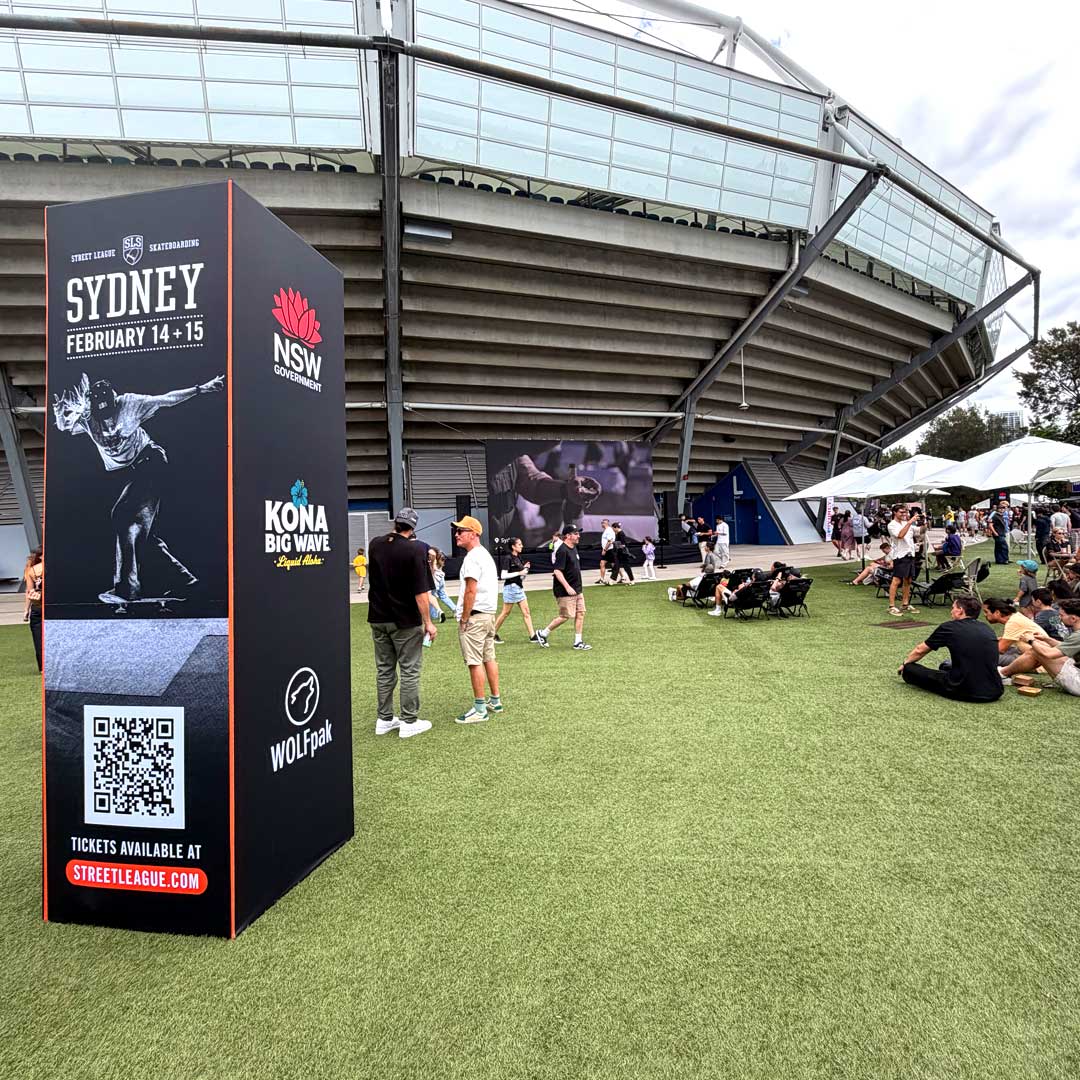
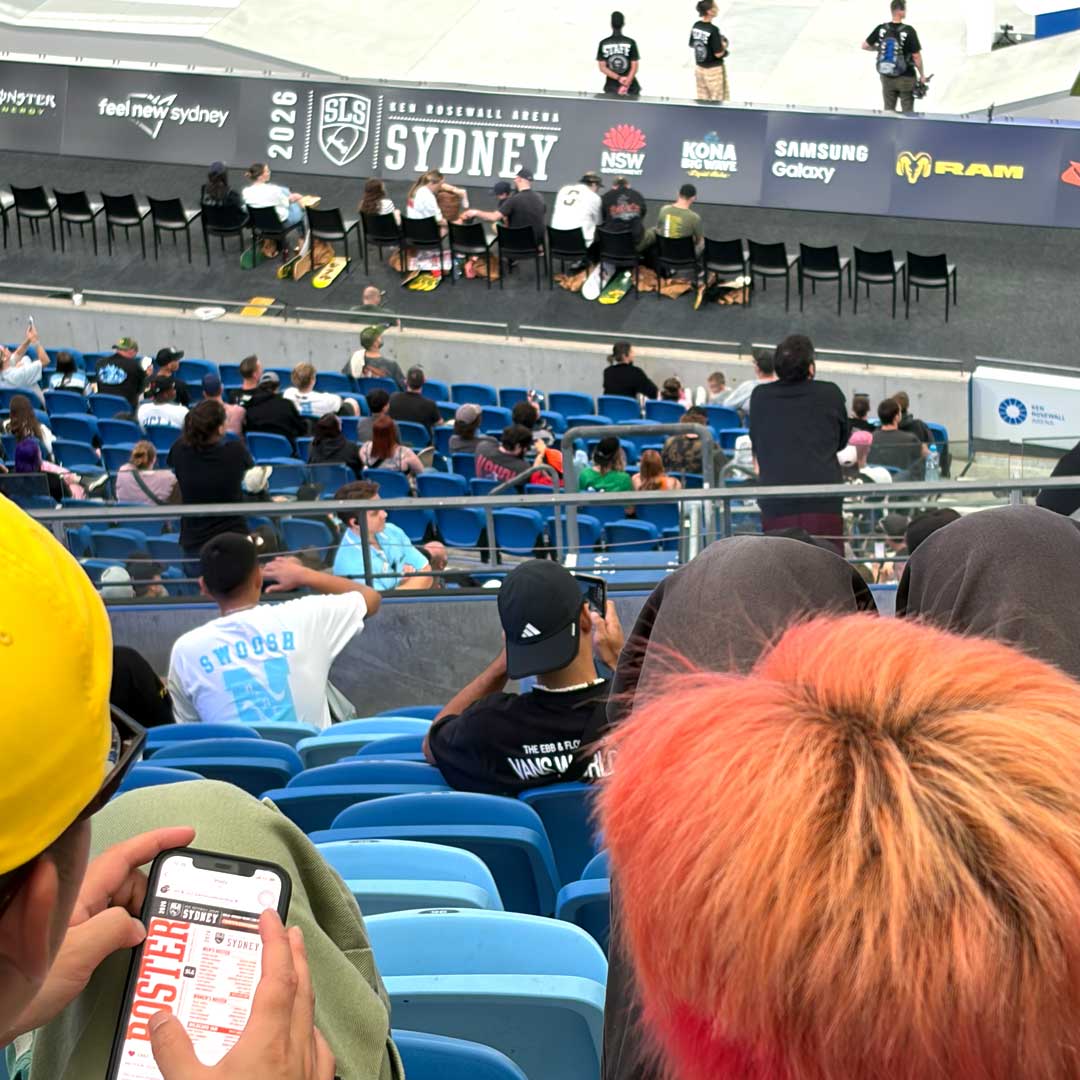
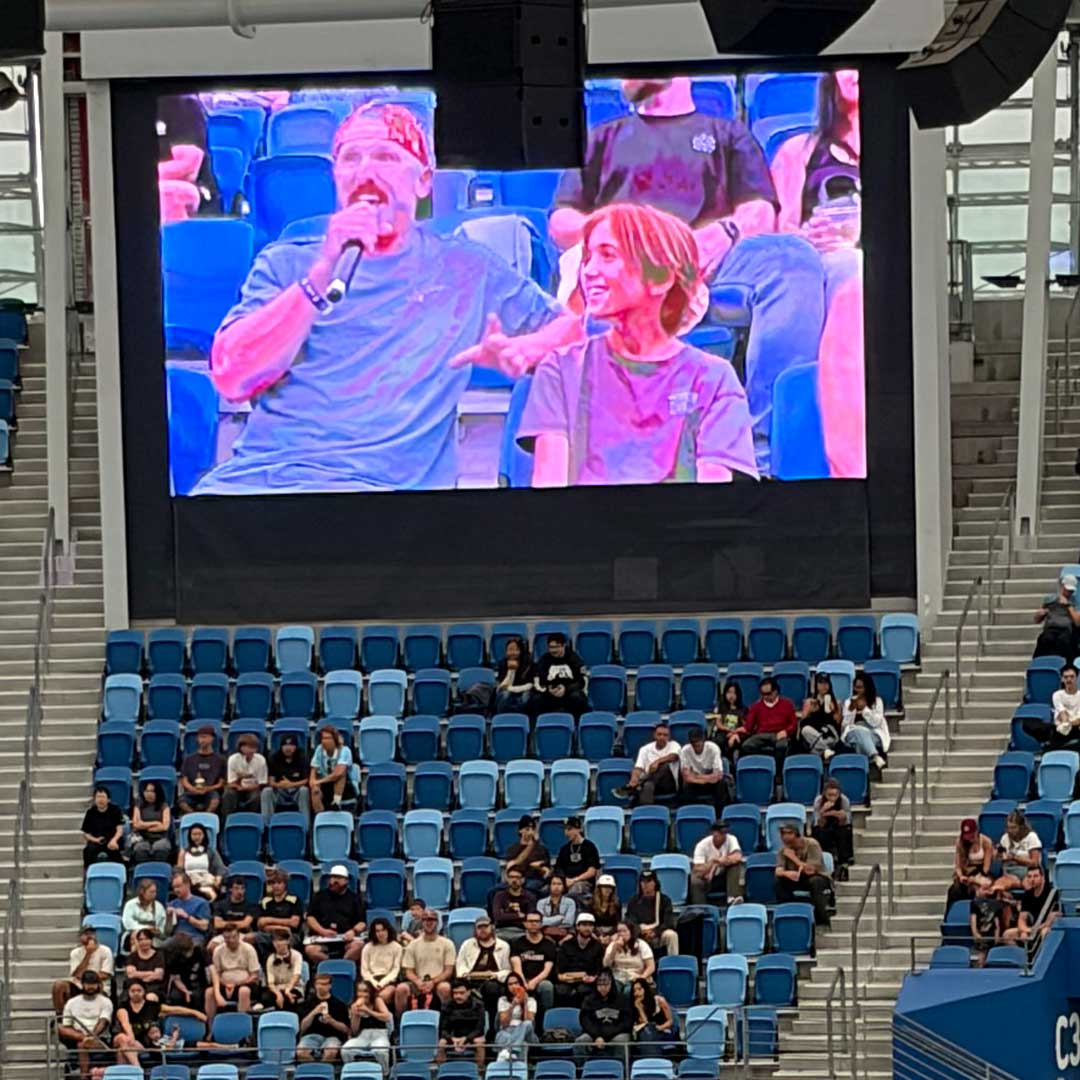
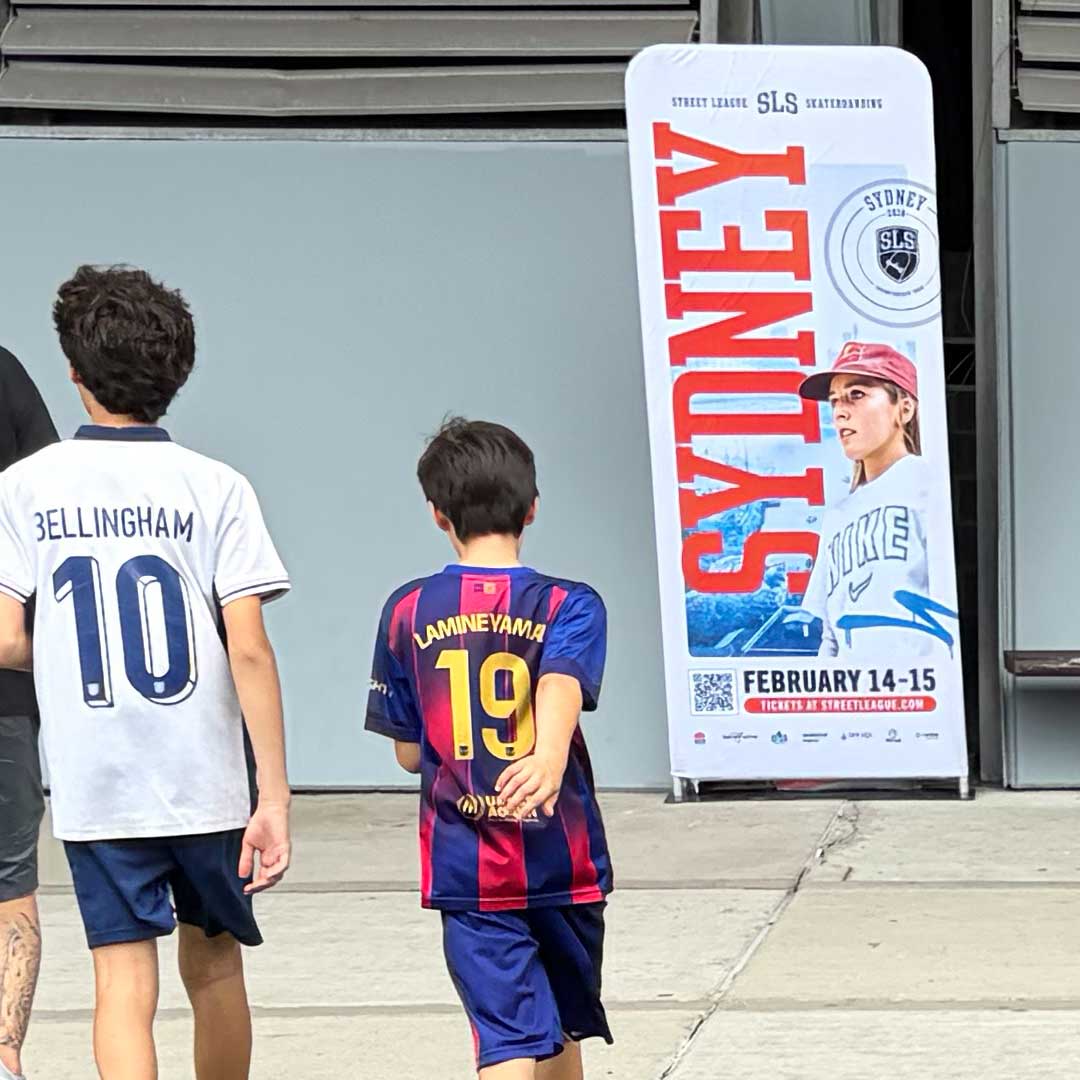
I recently attended the Sydney 2026 Street League Skateboarding event at Rod Laver Arena.

I took my two grommets on the first day, then returned for finals day with two of my skateboarding mates. We’re dedicated to regular skate sessions in the locations around where we live, and excited to watch the best of the best. The event was such a blast, the consistency of these skaters was phenomenal. Watching Gin’u “Ginwoo” Onodera, the sixteen-year-old prodigy nail basically everything with near-mechanical perfection was mind blowing.

Yet as much as I loved the event, it also raised a question that’s been on my mind for years: who is the competitive format really designed for?

COG-Marketing-Agency-Sydney-sydney-street-league_4

Formats and Freedom

The Street League format is incredibly effective, Rob Dyrdek knew what he was doing. Clear scoring, a static course, and a format that audiences can understand make it perfect for broadcast and sponsorship. You don’t need to know skateboarding intimately to follow the leaderboard. Technical street skating is filled with complexity, and conjecture. A hard flip v’s front flip. Is it a 360 Flip or a Tre Flip… SLS makes this less of a quandary for the punter. Every trick, every fall, every landing matters in a way that is immediately obvious.

But here’s the contradiction: while the format works beautifully for spectators and media, skateboarding, like surfing and snowboarding, originated as an expressive art form. Personal style, improvisation, and interpretation are central to the culture. Judging those qualities objectively is almost impossible.

I grew up skating crusty bowls and backyard wooden ramps, not streets. I’m a heavy-footed ground dwelling bird, definitely not an agile cat that glides down hand rails. Thus my approach has always been about flow and my own interpretation on a transition, with the crew super close by cheering on from the coping or bench. Formats like Belco Bowl Jam in Canberra, align far more with that ethos, and generally for guys my age this is a consistent trend. A gnar bowl contest is filled with spontaneity, balls, guts and creativity. Street competitions are structured, on the clock, provide controlled repetition, precision and consistency with technical perfection.

Commercial Forces at Play

This is where the commercial reality enters. Formats don’t exist in a vacuum. They are driven by media, sponsors, and audience metrics. Broadcasters need predictable events to sell airtime. Sponsors want maximum exposure for their investment. And the competitions themselves cost millions to run.

It’s no surprise, then, that formats are increasingly structured around audience clarity and dollar returns, rather than the culture or the athletes themselves. The event is designed to be consumable, not necessarily to celebrate the most expressive, artistic or unique rider flair.

In effect, athletes and culture become subservient to commercial interests. The very people who live and breathe these sports, who dedicate their lives to them, often have little say in the formats that define success.

The Freaks Always Rise

Of course, some athletes transcend any format. Every board riding discipline tends to have a handful of true freaks. Let’s assume there’s five to ten riders so exceptional they can dominate any setup in any era. Whether it’s surfing, skateboarding or snowboarding. There’s always the freaks that rise to the top.

In skateboarding, you see someone like Tom Schaar excel across formats, winning the Belco Bowl Jam multiple times while also being an Olympic medallist. In snowboarding, Mark McMorris transitions seamlessly from slopestyle and halfpipe into backcountry freeride competitions like the Natural Selection Tour, created by Travis Rice. These riders adapt and thrive, they’ve got the charisma, the talent, the right mix for longevity, but not every talented athlete can walk this path.

This creates a hierarchy: the top-tier athletes are highlighted, while the rest often struggle to gain visibility, regardless of skill. That hierarchy is reinforced by media metrics, sponsorships, and competition structures.

COG-Marketing-Agency-Sydney-sydney-street-league_2

Comparing Across Sports

Surfing presents another case entirely. The ocean is unpredictable, making structured competitions inherently difficult. Until recently, the World Surf League relied on events scattered across remote locations, with conditions often beyond anyone’s control. Wave pool technology, specifically Kelly’s Lemore Pool and the Dubai pool has attempted to mimic the predictability of formats like Street League, creating controlled, repeatable competitions.

But in my view, wave pools strip away the chaos and artistic nuance that make surfing unique. Watching Gabriel Medina or Filipe Toledo execute flawless routines is awesome no doubt. Once, twice, three times becomes a little dull compared to the natural theatre that is ocean contests. The ocean’s randomness is part of what defines surfing skill. Sometimes, the waves beat the best surfers, and that’s precisely what makes the sport compelling – for a surfer. Is surfing capped at it’s audience capacity because non-surfers don’t understand this ocean factor, and thus this thwarts the sports ability to grow event eyeballs?

Yet for media and sponsors, predictability is king. Repeatable, broadcast-friendly formats are easier to package, sell and monetise. The result is a tension between what the culture values and what the commercial model rewards, or more so demands to remain a viable commercial exchange.

The Cultural Contradiction

And yet, here’s the irony: I loved Street League. The static course, the same rails and stairs for every skater, the repeated runs, it was a real show. Why? Because street skateboarding thrives on interpreting the fixed architecture differently. The creativity is in the rider, not the environment.

Could I watch three SLS events in a row? Perhaps not, it’d also become dull like the wave pool.

That’s not true for all boardriding disciplines. Snowboarding and surfing, by their nature, offer more open-ended possibilities. Yet across all three sports, the commercial model increasingly dictates the format, privileging clarity, structure, and metrics over expression.

Sometimes I’ve watched these contests and forgot it’s actually a competition against athletes. Often it’s simply the athlete against themselves. When a athlete is on a heater within competition, commentators will remark “Oh he’s locking in a video part right now“!

So, Who Benefits and Who Gets Left Behind

This has consequences. The “second-tier” athletes that are highly skilled riders who don’t sit at the pinnacle of the leaderboard are often marginalised. Media numbers dictate opportunity. Sponsors invest where exposure is guaranteed. The competition format rewards consistency and marketable moments rather than pure skill or cultural authenticity. Both Street League and Natural Selection have a very small pool of competitors, it’s a science as broadcasting has a format to adhere to, and, the event can’t go on forever.

Yet these athletes are essential to the culture. They innovate, inspire, and sustain the community. Ideally, formats should create space for them to flourish, independent of top-tier ranking or social media metrics.

Is it valid to assume that with this reality, it shrinks the growth of professional opportunities within the sport itself? Do formats end up being smaller with the same pool of top tier athletes, thus shrink the size of the participation numbers outside of pro ranks and competition?

Let the Athlete Lead

Ultimately, a question we can ask is simple: who is the competitive format really designed for? Should the competitive format control our destiny, or should it serve the athlete and the culture? Does the growth and viability of our cultures rest on the ability for the competition formats to deliver the right commercial outcome?

Will the youth still go watch their hero’s regardless of the competitive format, like, do they even care about the format at that point? Or do they just want to get as close to their hero’s as possible?

Formats, media and sponsors are essential for the survival of professional sports. This tension is a catch 22. Though considering the type of lifestyle pursuits these sports are, most if not all of the athlete’s would still go ride even if they didn’t get paid.

Do athletes have the freedom to choose the format that suits them, or, is there just not enough money to go around? Are our action sports running on fumes, and that there isn’t enough in the pool to support a few different formats per sport. Is it simply a matter of the most commercially viable event format within the sport win, thus dictating the format in which the athlete has to perform to.

Shouldn’t it be so that brands support athlete choice of canvas. Artistic expression, paint what I want, and all that. Audiences will appreciate the art anyway right.

COG-Marketing-Agency-Sydney-sydney-street-league_3

Let the Athlete Love the Format

Watching events like Street League Skateboarding and the Natural Selection Tour makes one thing clear: not every athlete needs to exist within the same structure. Different riders thrive in different environments, and the format should allow for that diversity. Brands should support the athlete, and athletes should be free to pursue the format that best suits their style, strengths and expression.

What shouldn’t happen is a rigid triangle where athletes, brands and competitions are forced together purely for the sake of a clean commercial narrative. When riders are given the freedom to express themselves — whether that’s on a stadium street course, a backcountry mountain face or an unpredictable ocean lineup — the culture becomes richer for it. Ultimately, that freedom is what these sports were always about.

COG-Marketing-Agency-Sydney-sydney-street-league_5