by Luke Sullivan | Mar 15, 2026 | Featured, Insights, Marketing Insights, News
This event flicks a switch that makes me want to take an adventure.
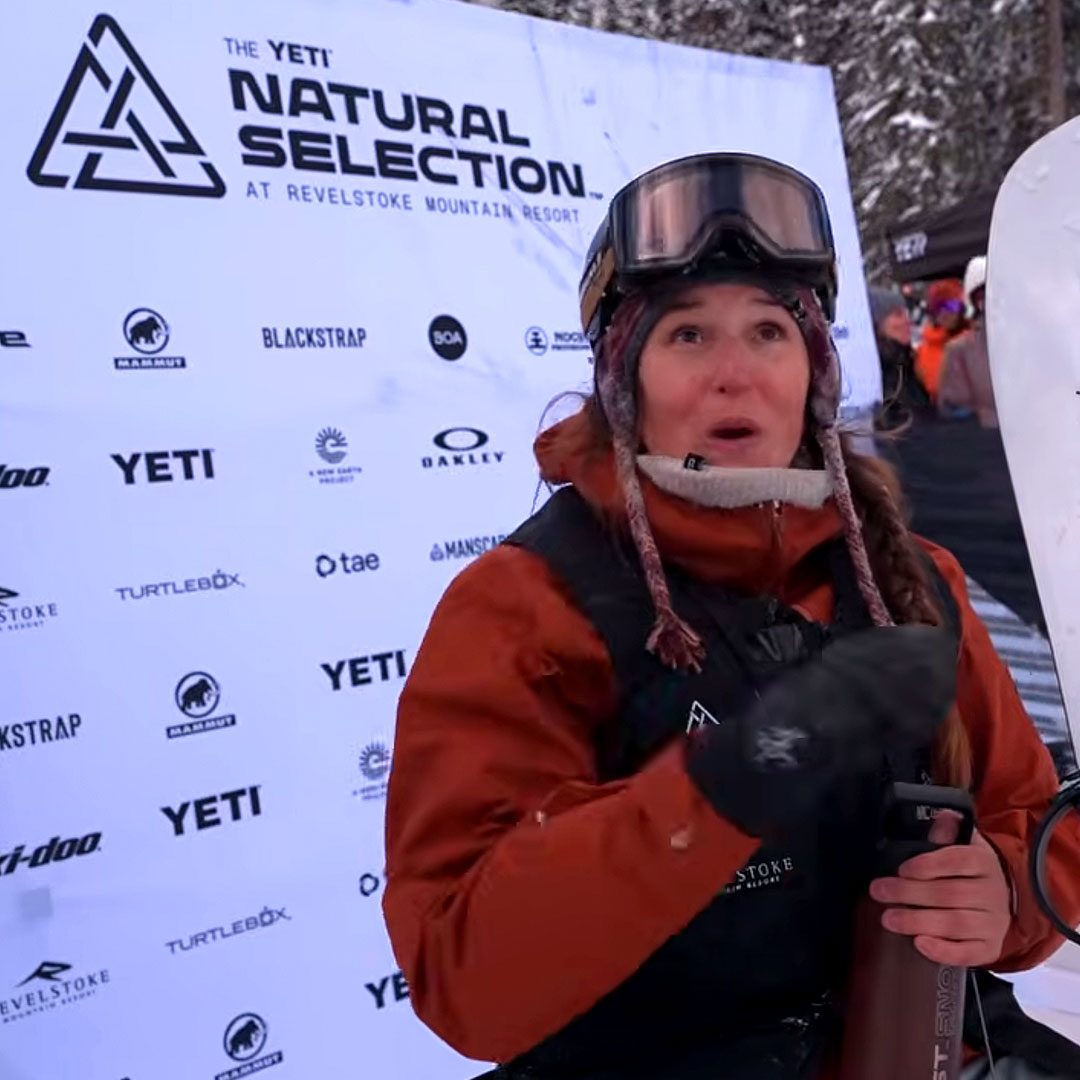
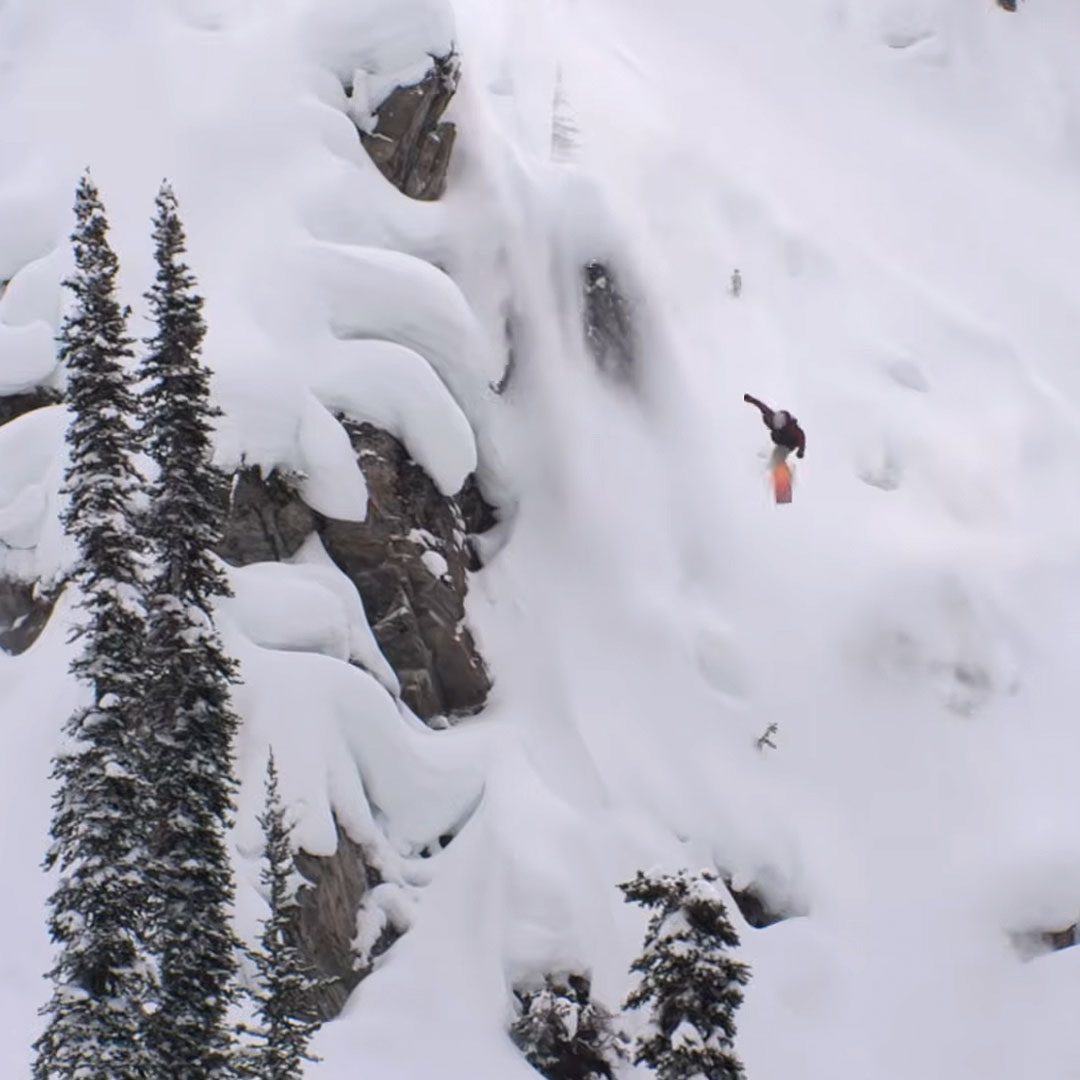
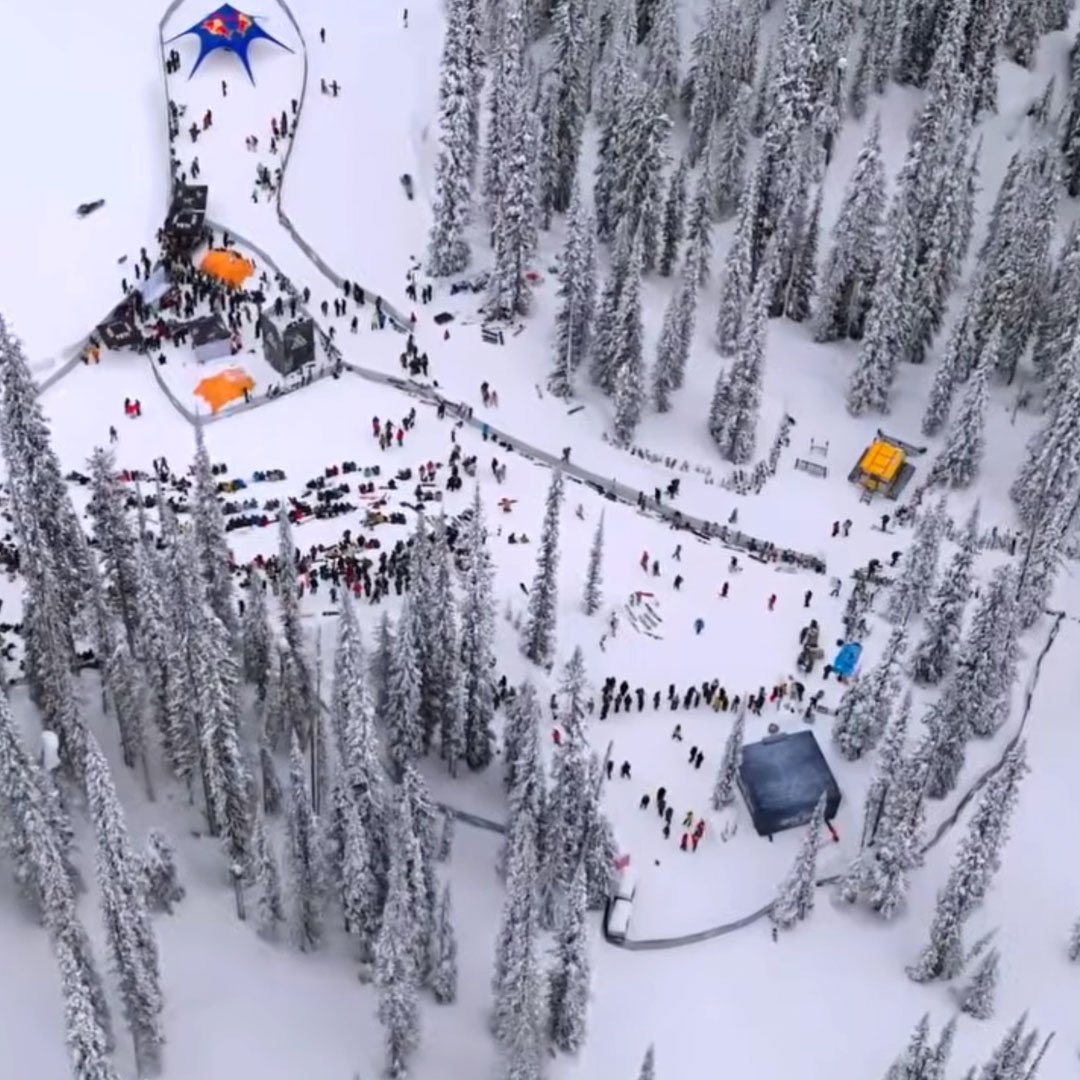
The event blows my mind for several reasons. First, obviously, the riding. Watching athletes choose lines down enormous natural terrain and push the limits of what is possible on a snowboard is incredible. But it’s not just the riding that makes the event compelling. The way it’s presented, particularly the drone footage, offers a unique perspective on decision making. You can actually see the terrain unfolding beneath the rider in real time, which makes the viewing experience dynamic and immersive. The CREDO judging format rewards creativity and that’s the essence of snowboarding in my eyes.
But for me, something else happens while watching. I start looking beyond the athletes.
The Landscape Becomes the Star
The event location is as captivating as the riding itself. The Natural Selection events held around Revelstoke showcase one of the most dramatic mountain landscapes in the world. The surrounding ranges of the Rocky Mountains stretch endlessly, creating terrain that looks both intimidating and inviting at the same time.
From the perspective of someone sitting in Sydney, Australia after a belting hot summer, this environment feels almost mythical. We’re a long way from big mountain snowboarding down here. Perhaps you always want what you don’t have, and if that’s true, then British Columbia certainly delivers.
Watching the event simply makes me want to go snowboarding.
Not in the same way the athletes are riding, of course. Launching my ageing carcass into a backflip off a cliff is not in the repertoire. But the terrain surrounding Revelstoke looks extraordinary. It feels like the kind of place where simply being there would be enough.
Having gone through there in my twenties there’s some nostalgic rearview mirror stuff going on too.
Age Shapes the Dream
Getting long in the tooth changes how you interpret events like this. If you’re twenty years old watching Natural Selection, you’re probably thinking: Get me into that terrain. To do this you might want to find a job working on the hill, maybe loading Stoke chairs or bussing tables at night, just to ride as much as possible. You’re willing to sleep in a van, stay out until the bar closes, post up in the local library, and chase snow every day.
At fifty, the thinking is slightly different.
You’re still inspired by the terrain, but your approach is more considered. You start wondering whether you could justify a trip that includes a few days riding the resort, maybe even a day with Selkirk Tangiers Heli Skiing to experience the deeper backcountry. Perhaps while you’re there you’d explore a few other places nearby such as the surrounding Kicking Horse or Boulder resorts, the mountain towns, the wider landscape. In both cases, the event sparks the same desire.
You want to go.
When Spectacle Meets Tourism
Events like Natural Selection are often the gateway to actually pulling the trigger on a trip. The event itself is a perfect showcase. The weather window is selected carefully. The riders are the best in the world. The cinematography is flawless. Everything is tuned to perfection. It’s essentially a trophy case for the sport and the location.
The sponsors surrounding the event reflect this perfectly. Brands like YETI, Arc’teryx, Red Bull and Oakley sit alongside tourism organisations like Tourism Revelstoke and partners such as Revelstoke Mountain Resort.
The event showcases people, culture, locations, equipment and atmosphere.
It makes you think: I want some of that.
Yet once the broadcast ends, there’s an interesting gap.
Inspiration Doesn’t Easily Become Action
None of the sponsors actually help me get there. No one helps me translate the inspiration of the event into a real trip.
From my desk in Sydney, planning a journey to a place like Revelstoke is not straightforward. Flights, weather windows, accommodation, car rentals, lift tickets and guiding options all have to be pieced together individually.
And if you’re trying to plan around snow conditions, which are everything in boardriding sports like snowboarding or surfing, it becomes even more complicated. This is where an interesting opportunity appears.
The Opportunity for Events to Gateway a Travel Services
Deliver me the travel service tailored specifically for board riders. Not a generic travel agent, but a platform or consultancy that understands surf forecasts, snow conditions, swell windows and mountain weather patterns.
This service will demand answers to questions such as:
- How do you ride?
- What terrain excites you?
- How much comfort do you want?
- How flexible are your dates?
Then it builds an itinerary around those answers. For someone watching Natural Selection, that service might translate inspiration into something tangible: a week riding around Revelstoke, perhaps a guided backcountry day, maybe a heli-ski experience, and a few days exploring nearby resorts.
It wouldn’t just be booking flights and hotels. It would be curating an experience around the culture of board riding itself.
From Watching to Going
The reality may simply be that most people are happy to watch these events from the comfort of their lounge room. But I’m not convinced that’s entirely true. When I watch a surfing event at Jeffreys Bay during a World Surf League broadcast, I immediately want to surf that wave. It’s one of the most iconic coastlines in the world.
The problem isn’t inspiration. The problem is execution.
How do you actually make it happen? Having been to JBay in my twenties, I could do it as a wandering surfer, though now older, wiser, with actual some finance – it’s somehow harder.
An Event Extension Worth Exploring
Perhaps the next evolution of event sponsorship isn’t just equipment and apparel brands. Maybe it’s the integration of services that help viewers move from watching to experiencing. Because events like the Natural Selection Tour don’t just showcase athletes.
They showcase places.
And sometimes the most powerful response to watching something extraordinary isn’t simply wanting to ride like the athletes. It’s wanting to go there yourself and interpret the lines of Montana Bowl your own way. Often the venue and environment is the hero. So the real question might be this:
When you watch Natural Selection, does it make you want to go snowboarding — or does it make you want to go to Revelstoke, British Columbia Canada?

by Luke Sullivan | Mar 14, 2026 | Featured, Marketing Insights
If you’re an SME owner, you know exactly what I’m talking about. There’s tiredness, then there’s small business owner exhaustion.
Micro-tasking in between meals at home, juggling dozens of roles, walking side by side with the constant feeling that you’re always playing catch-up. A recent SmartCompany survey (from the article “What’s keeping business owners awake right now“) triggered me, I’d read this data before.
Over half of business owners are wearing too many hats, struggling with cash flow, and barely finding time to think strategically.
Here’s the kicker: despite the almost constant pressure, Australian SMEs remain quietly confident. The survey shows 62% of leaders feel “somewhat” or “very” confident about the next three months. They back themselves. They adapt. They innovate. But even confidence doesn’t make the calendar magically free up. And that’s the point, it’s not optimism that’s holding growth back; it’s bandwidth.
The report lays it out clearly: SMEs are bogged down by time-consuming admin, fragmented suppliers, and inefficient processes. One respondent summed it up perfectly:
“I feel like I’m always playing catch-up because I focus on running the business and need to spend more time planning for the business.” Sound familiar?
What these busy business owners crave from their suppliers is straightforward: value for money, product and service quality, fast and reliable delivery, and responsive customer service. Simple, right? Yet, far too many SMEs remain stuck in old habits, cobbling together orders, juggling multiple suppliers, and hoping nothing falls through the cracks. In fact, over half of the SMEs surveyed rarely or only occasionally look for new suppliers or solutions. It’s no wonder efficiency is lagging.
This is where technology and smart partnerships come in. Almost a decade ago, COG Digital was engaged by Deloitte for a federal government initiative to help small businesses get online, embrace technology, and become more competitive.
Back then, the hope was that technology would streamline operations, free up headspace, and boost productivity. Fast forward to 2025, and the story hasn’t changed much. For me this is what I actually know to be true. We service over 1000 SME’s annually, and the general approach to daily operations remains very similar, the results likewise. Not surprising the survey data today mirrors what Deloitte found years ago, Australian SMEs still struggle to fully embrace tech and efficiency strategies.
So, why? Is technology moving too fast, or are SMEs still not dynamic enough to adapt? Economic conditions undoubtedly play a role with rising costs, tight margins, and staffing gaps make investment in systems and processes feel risky. But that’s not the whole story. The real issue is mindset, from what I know to be true anyway. SMEs are exceptional at juggling daily operations but often overlook the power of partnerships and integrated solutions. They try to do everything themselves, and the results are revealed as fragmented operations, lower-quality output, and unnecessary stress… it speaks for themselves.
The SmartCompany report highlights the real cost: time lost. Teams spend hours chasing suppliers, reconciling invoices, and reacting to daily operational fires. The survey estimates that even small inefficiencies like placing one-off orders across multiple suppliers can consume over 100 hours a year per staff member. That’s 100 hours that could have been spent on strategy, growth, or simply breathing.
Here’s the challenge for senior leaders: we need to rethink the way we work. Simplification is no longer a nice-to-have; it’s a survival tactic. Streamlined processes, centralised suppliers, and intelligent technology adoption are the levers that free up mental bandwidth.
But adoption requires a shift in thinking. SMEs must see technology not as a cost, but as a tool to reclaim time, improve quality, and scale smarter.
At COG Marketing, we live this every day. We’re a Marketing Agency for Small Business offering an all-in-one service suite with marketing, technology, and branding as our central service pillars. Purposefully so to enable leaders to focus on what really matters: growing their business. Our clients don’t have to be experts in every tech solution or marketing tactic; they can trust that we’re managing it all efficiently, reliably, and strategically.
But here’s the bigger question: are Australian SMEs going to continue spinning wheels, or will they embrace partnerships and tech as enablers of growth?
And are economic pressures a reason to delay, or a reason to innovate smarter? The survey doesn’t answer that, but it does tell us one thing clearly: the same challenges that kept SMEs awake a decade ago are still very much alive today. And that’s a wake-up call for leaders who want more than just survival; it’s a call for smarter, more efficient, and more strategic operations.
To my fellow business leaders, here’s my takeaway: stop trying to do it all yourself. Simplify. Partner wisely. Embrace technology intelligently. It’s the only way to reclaim your time, elevate your output, and lead your business into the future with confidence. And if we don’t act now, we’re just going to keep having the same conversation in another ten years, about wearing too many hats and getting too little done.

by Luke Sullivan | Mar 14, 2026 | Featured, Insights, Marketing Insights, News
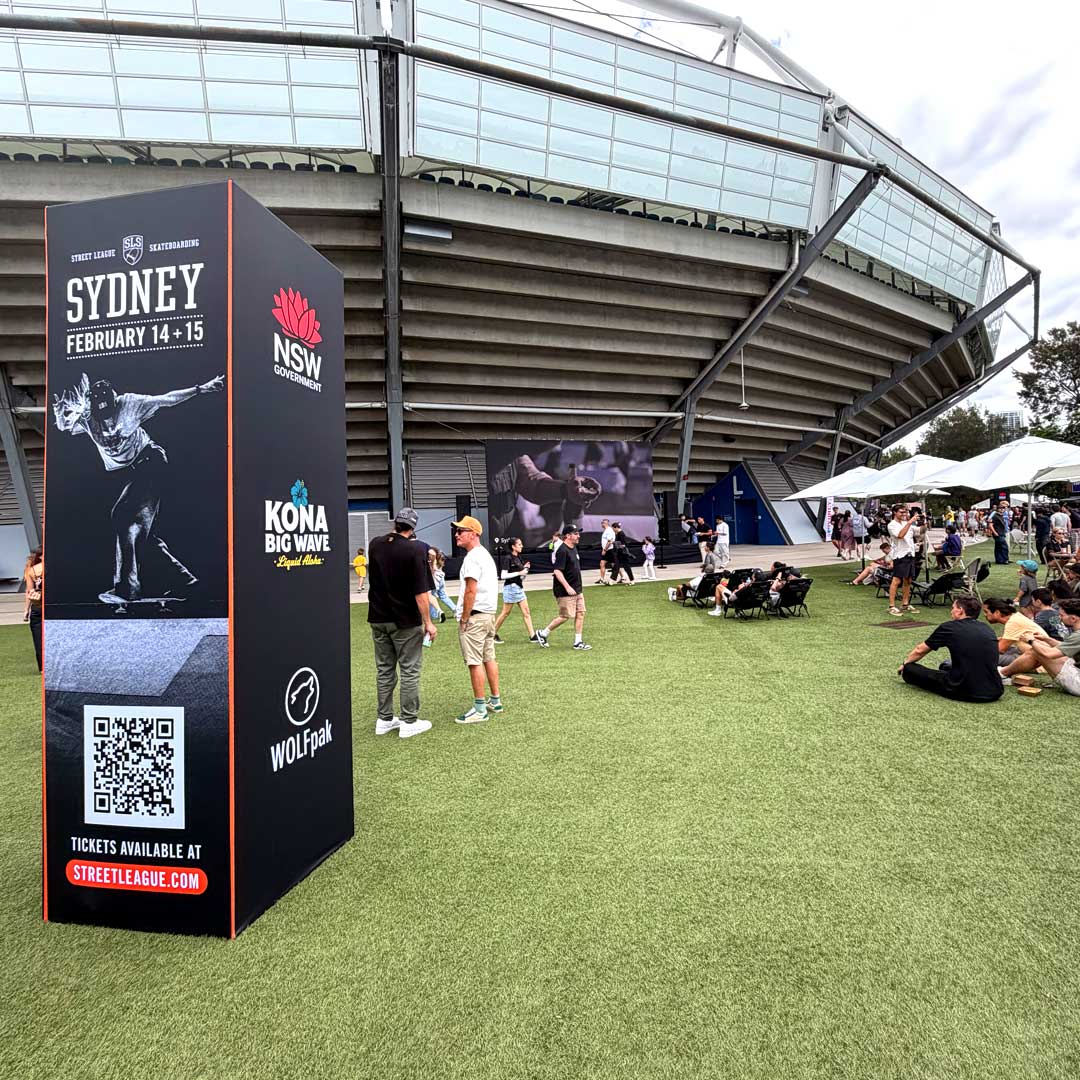
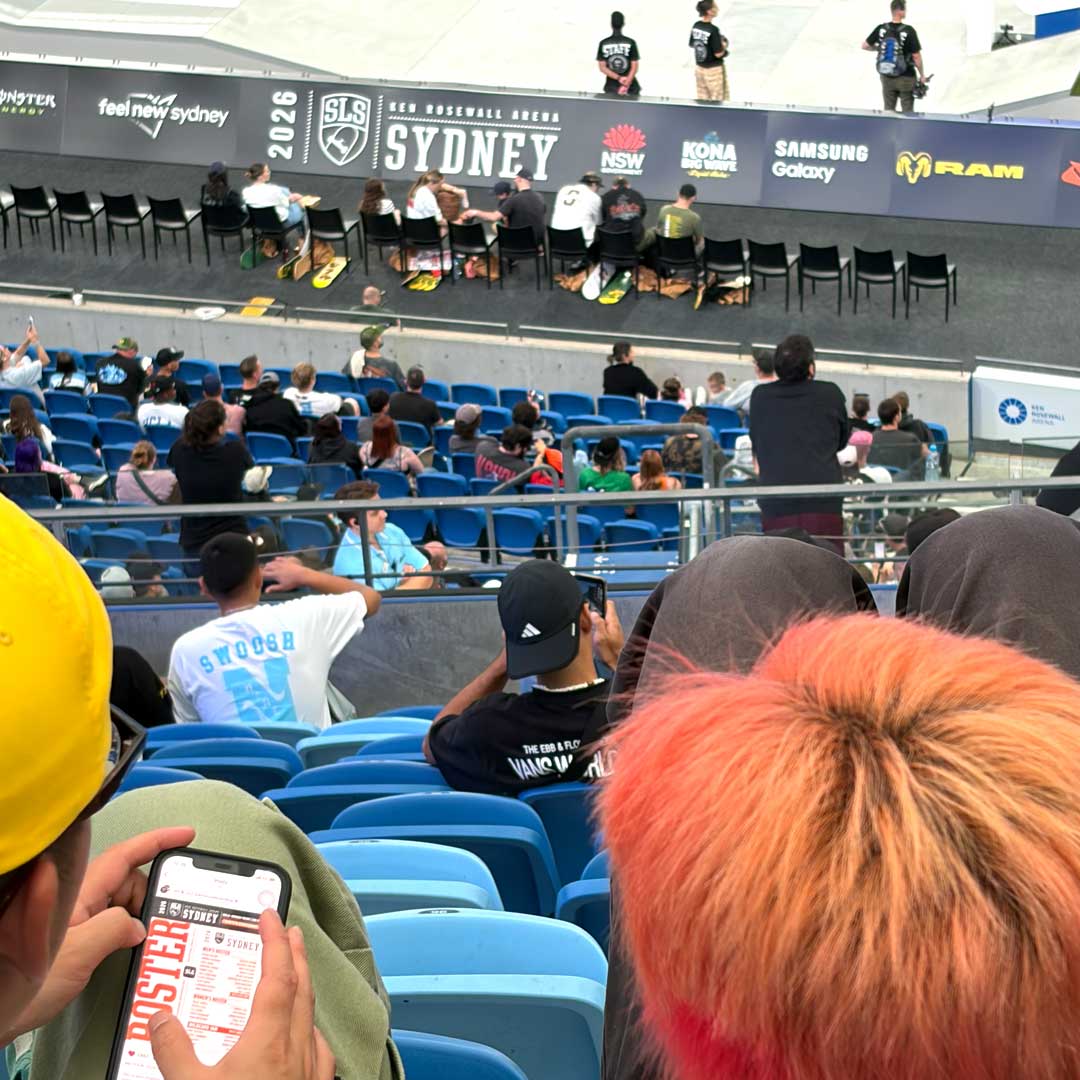
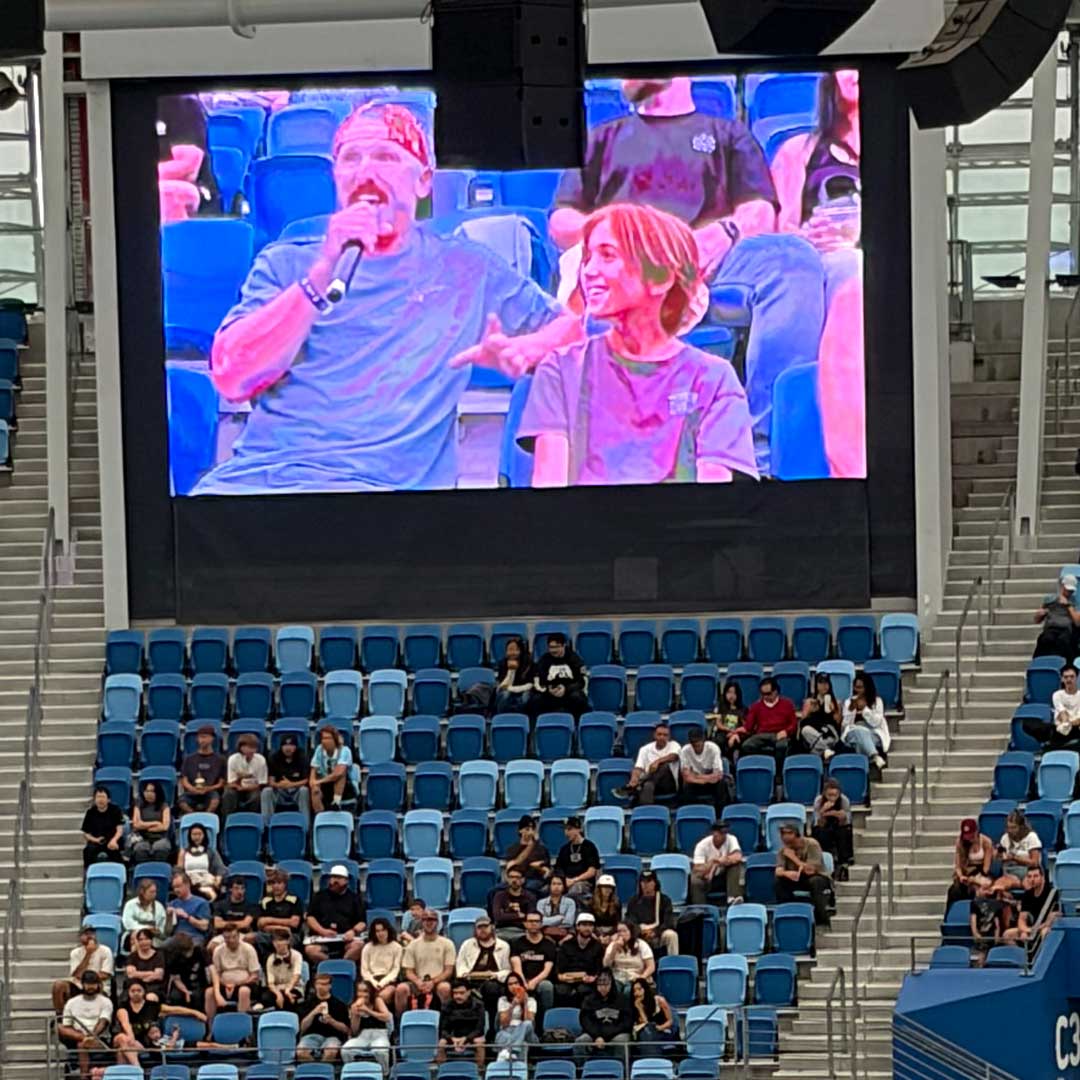
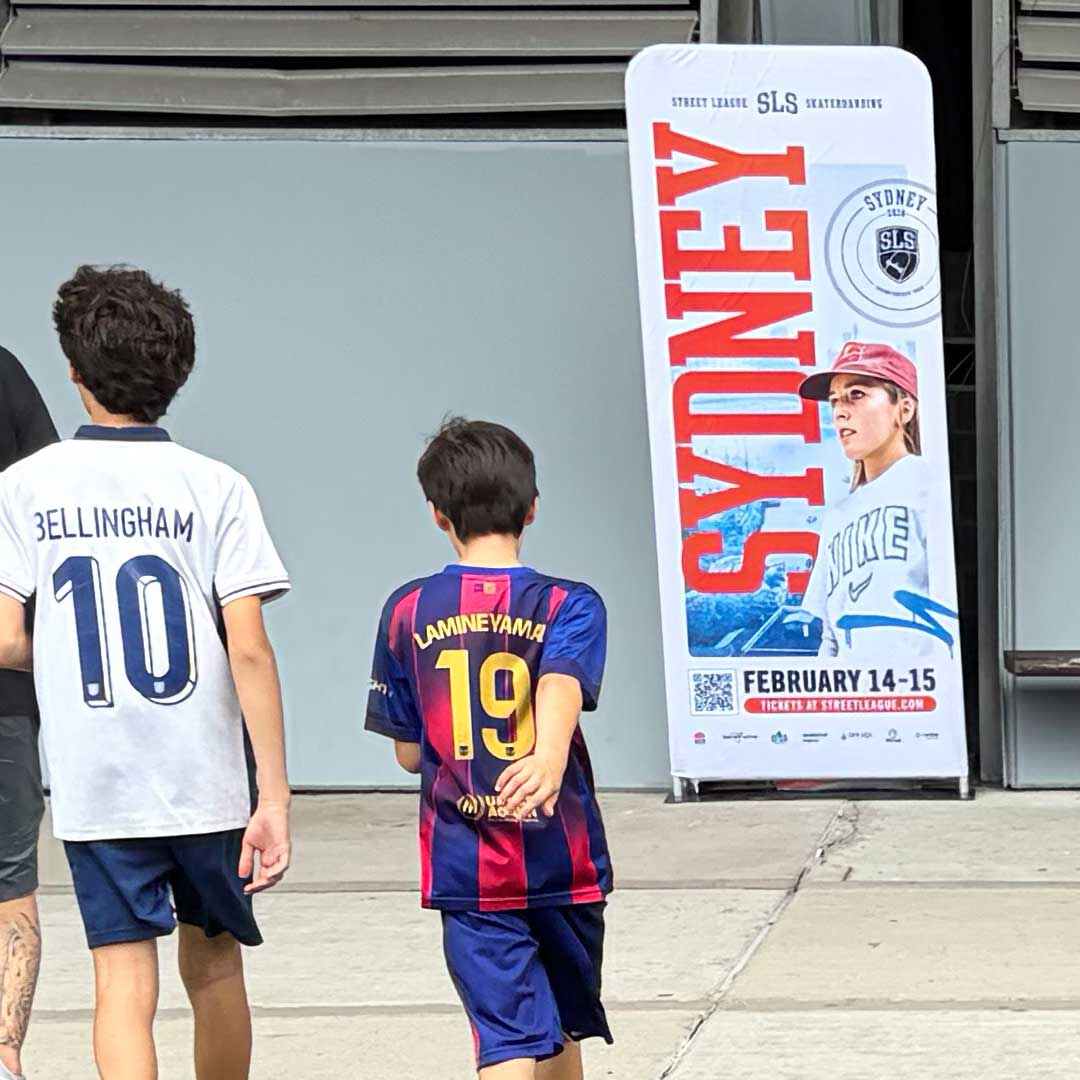
I recently attended the Sydney 2026 Street League Skateboarding event at Rod Laver Arena.
I took my two grommets on the first day, then returned for finals day with two of my skateboarding mates. We’re dedicated to regular skate sessions in the locations around where we live, and excited to watch the best of the best. The event was such a blast, the consistency of these skaters was phenomenal. Watching Gin’u “Ginwoo” Onodera, the sixteen-year-old prodigy nail basically everything with near-mechanical perfection was mind blowing.
Yet as much as I loved the event, it also raised a question that’s been on my mind for years: who is the competitive format really designed for?
Formats and Freedom
The Street League format is incredibly effective, Rob Dyrdek knew what he was doing. Clear scoring, a static course, and a format that audiences can understand make it perfect for broadcast and sponsorship. You don’t need to know skateboarding intimately to follow the leaderboard. Technical street skating is filled with complexity, and conjecture. A hard flip v’s front flip. Is it a 360 Flip or a Tre Flip… SLS makes this less of a quandary for the punter. Every trick, every fall, every landing matters in a way that is immediately obvious.
But here’s the contradiction: while the format works beautifully for spectators and media, skateboarding, like surfing and snowboarding, originated as an expressive art form. Personal style, improvisation, and interpretation are central to the culture. Judging those qualities objectively is almost impossible.
I grew up skating crusty bowls and backyard wooden ramps, not streets. I’m a heavy-footed ground dwelling bird, definitely not an agile cat that glides down hand rails. Thus my approach has always been about flow and my own interpretation on a transition, with the crew super close by cheering on from the coping or bench. Formats like Belco Bowl Jam in Canberra, align far more with that ethos, and generally for guys my age this is a consistent trend. A gnar bowl contest is filled with spontaneity, balls, guts and creativity. Street competitions are structured, on the clock, provide controlled repetition, precision and consistency with technical perfection.
Commercial Forces at Play
This is where the commercial reality enters. Formats don’t exist in a vacuum. They are driven by media, sponsors, and audience metrics. Broadcasters need predictable events to sell airtime. Sponsors want maximum exposure for their investment. And the competitions themselves cost millions to run.
It’s no surprise, then, that formats are increasingly structured around audience clarity and dollar returns, rather than the culture or the athletes themselves. The event is designed to be consumable, not necessarily to celebrate the most expressive, artistic or unique rider flair.
In effect, athletes and culture become subservient to commercial interests. The very people who live and breathe these sports, who dedicate their lives to them, often have little say in the formats that define success.
The Freaks Always Rise
Of course, some athletes transcend any format. Every board riding discipline tends to have a handful of true freaks. Let’s assume there’s five to ten riders so exceptional they can dominate any setup in any era. Whether it’s surfing, skateboarding or snowboarding. There’s always the freaks that rise to the top.
In skateboarding, you see someone like Tom Schaar excel across formats, winning the Belco Bowl Jam multiple times while also being an Olympic medallist. In snowboarding, Mark McMorris transitions seamlessly from slopestyle and halfpipe into backcountry freeride competitions like the Natural Selection Tour, created by Travis Rice. These riders adapt and thrive, they’ve got the charisma, the talent, the right mix for longevity, but not every talented athlete can walk this path.
This creates a hierarchy: the top-tier athletes are highlighted, while the rest often struggle to gain visibility, regardless of skill. That hierarchy is reinforced by media metrics, sponsorships, and competition structures.
Comparing Across Sports
Surfing presents another case entirely. The ocean is unpredictable, making structured competitions inherently difficult. Until recently, the World Surf League relied on events scattered across remote locations, with conditions often beyond anyone’s control. Wave pool technology, specifically Kelly’s Lemore Pool and the Dubai pool has attempted to mimic the predictability of formats like Street League, creating controlled, repeatable competitions.
But in my view, wave pools strip away the chaos and artistic nuance that make surfing unique. Watching Gabriel Medina or Filipe Toledo execute flawless routines is awesome no doubt. Once, twice, three times becomes a little dull compared to the natural theatre that is ocean contests. The ocean’s randomness is part of what defines surfing skill. Sometimes, the waves beat the best surfers, and that’s precisely what makes the sport compelling – for a surfer. Is surfing capped at it’s audience capacity because non-surfers don’t understand this ocean factor, and thus this thwarts the sports ability to grow event eyeballs?
Yet for media and sponsors, predictability is king. Repeatable, broadcast-friendly formats are easier to package, sell and monetise. The result is a tension between what the culture values and what the commercial model rewards, or more so demands to remain a viable commercial exchange.
The Cultural Contradiction
And yet, here’s the irony: I loved Street League. The static course, the same rails and stairs for every skater, the repeated runs, it was a real show. Why? Because street skateboarding thrives on interpreting the fixed architecture differently. The creativity is in the rider, not the environment.
Could I watch three SLS events in a row? Perhaps not, it’d also become dull like the wave pool.
That’s not true for all boardriding disciplines. Snowboarding and surfing, by their nature, offer more open-ended possibilities. Yet across all three sports, the commercial model increasingly dictates the format, privileging clarity, structure, and metrics over expression.
Sometimes I’ve watched these contests and forgot it’s actually a competition against athletes. Often it’s simply the athlete against themselves. When a athlete is on a heater within competition, commentators will remark “Oh he’s locking in a video part right now“!
So, Who Benefits and Who Gets Left Behind
This has consequences. The “second-tier” athletes that are highly skilled riders who don’t sit at the pinnacle of the leaderboard are often marginalised. Media numbers dictate opportunity. Sponsors invest where exposure is guaranteed. The competition format rewards consistency and marketable moments rather than pure skill or cultural authenticity. Both Street League and Natural Selection have a very small pool of competitors, it’s a science as broadcasting has a format to adhere to, and, the event can’t go on forever.
Yet these athletes are essential to the culture. They innovate, inspire, and sustain the community. Ideally, formats should create space for them to flourish, independent of top-tier ranking or social media metrics.
Is it valid to assume that with this reality, it shrinks the growth of professional opportunities within the sport itself? Do formats end up being smaller with the same pool of top tier athletes, thus shrink the size of the participation numbers outside of pro ranks and competition?
Let the Athlete Lead
Ultimately, a question we can ask is simple: who is the competitive format really designed for? Should the competitive format control our destiny, or should it serve the athlete and the culture? Does the growth and viability of our cultures rest on the ability for the competition formats to deliver the right commercial outcome?
Will the youth still go watch their hero’s regardless of the competitive format, like, do they even care about the format at that point? Or do they just want to get as close to their hero’s as possible?
Formats, media and sponsors are essential for the survival of professional sports. This tension is a catch 22. Though considering the type of lifestyle pursuits these sports are, most if not all of the athlete’s would still go ride even if they didn’t get paid.
Do athletes have the freedom to choose the format that suits them, or, is there just not enough money to go around? Are our action sports running on fumes, and that there isn’t enough in the pool to support a few different formats per sport. Is it simply a matter of the most commercially viable event format within the sport win, thus dictating the format in which the athlete has to perform to.
Shouldn’t it be so that brands support athlete choice of canvas. Artistic expression, paint what I want, and all that. Audiences will appreciate the art anyway right.
Let the Athlete Love the Format
Watching events like Street League Skateboarding and the Natural Selection Tour makes one thing clear: not every athlete needs to exist within the same structure. Different riders thrive in different environments, and the format should allow for that diversity. Brands should support the athlete, and athletes should be free to pursue the format that best suits their style, strengths and expression.
What shouldn’t happen is a rigid triangle where athletes, brands and competitions are forced together purely for the sake of a clean commercial narrative. When riders are given the freedom to express themselves — whether that’s on a stadium street course, a backcountry mountain face or an unpredictable ocean lineup — the culture becomes richer for it. Ultimately, that freedom is what these sports were always about.